




























Overview
Classic Play Profile
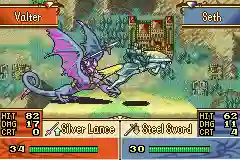
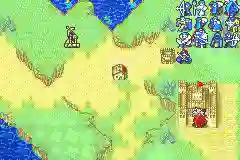
Fire Emblem (U)(Venom), known as Fire Emblem: Blazing Blade, is the seventh installment in the acclaimed tactical RPG series, released for the Game Boy Advance. This prequel to Fire Emblem: Fuin no Tsurugi was the first title to introduce Western players to the series' signature, story-driven turn-based strategy gameplay, establishing a lasting legacy in the West.
Rediscover the original Fire Emblem that launched the series worldwide on GBA. Experience classic tactical RPG battles, permanent death mechanics, and authentic retro strategy gameplay
Standout Details
Fire Emblem (U)(Venom) provides the ultimate introduction to tactical RPGs with its iconic 'permadeath' mechanic that ties high stakes to an unforgettable and emotionally resonant character experience. It delivers a masterclass in strategic gameplay woven into a rich, high-fantasy narrative, where every decision carries genuine weight.
- Turn-Based Tactical Combat: Strategic, grid-based battles where unit positioning, weapon advantages, and terrain offer deep layers of tactical thinking and consequences, as characters who fall in battle are permanently lost.
- Epic, Character-Driven Narrative: Follow a compelling story of war and valor led by three compelling protagonists—Lyn, Eliwood, and Hector—as they unravel a far-reaching conspiracy across the continent of Elibe, forming deep bonds with their forces along the journey.
- Weapon Triangle & Support System: Master the strategic weapon triangle (swords beat axes, axes beat lances, lances beat swords) and build relationships (Supports) between your units in battle to unlock stat boosts and special dialog that deepens every character you command.
- The Perfect Game-Changing Introduction: As the first official Western release, it was brilliantly designed to be a deep, compelling tutorial before the main adventure, making it arguably the most accessible entry point for newcomers to the series.
- Unforgettable Permadeath Challenge:
First-Run Advice
Save before new towns, dungeons, or scripted battles whenever the game allows it.
- 1. Navigate Menus & the World: On the map or in menus, use the Arrow Keys, D-Pad, or WASD keys to highlight locations, options, menu items, and units; press the A/Z key to confirm selections or B/X as your main 'back', cancel, or menu-access keys from the hub.
- 2. Command Your Units: During battle, point to a unit and confirm to enter command mode. Move units with a highlighted grid showing your options; upon arriving, select Attack (or a weapon), Use Item, Wait, or Trade with adjacent allies; press B/X quickly is a fast context-sensitive cancel option in case of changes.
- 3. Dominate and Win at All Costs: Strategically position your troops to use the Weapon Triangle; maximize Support bonds between adjacent units repeatedly for permanent stat boost opportunities; and always play around securing victory conditions found via map objectives (like 'Defeat Boss'), or you’ll face the brutal permadeath mechanic consequences.
Source Context
Fire Emblem (U) is cataloged as a GBA entry. Title markers such as U, Venom help separate this GBA entry from nearby regional or build variants. The current tags are RPG, Strategy, Game Boy Advance, USA Release, Handheld, which help group the page with similar games without relying on a single generic label.
Play FAQ
Is Fire Emblem (U)(Venom) a remake, a sequel, or its own game?
Fire Emblem (U)(Venom), known as 'Fire Emblem: Blazing Blade' outside Japan, is a prequel story; it is neither a remake nor a direct sequel, instead exploring events that predate Fire Emblem: The Binding Blade (Fuin no Tsurugi).
Is 'venom' part of the original Japan release title code or an unofficial fan change?
No; 'Venom' in parentheses is not part of the game’s official, commercial title. It’s a label attached for identification of the ROM/dump file specifically—typically denoting an altered/cracked/hacked version.
Does this version have full English translation/localization from the start?
Yes, Fire Emblem (U)(Venom) is the official U.S. release that Nintendo of America localized from the original Japanese—featuring full English voice clips and dialogue, making it the historical entry that proved the series viable in Western markets.