Loading game...
Super Mario Bros. 2 (Japan) (En) (Game & Watch - Super Mario Bros.)(45 KB)
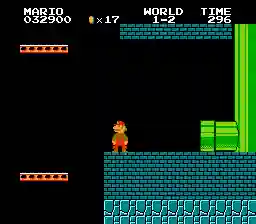
Super Mario Bros. (Japan)
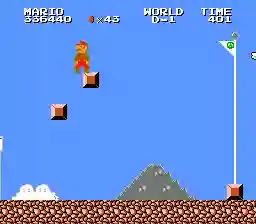
Super Mario Bros. 2 (Japan) (En)
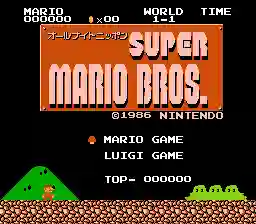
All Night Nippon Super Mario Bros. (Japan) (Promo)
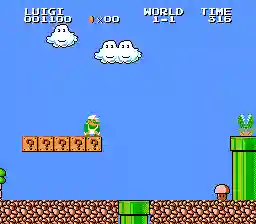
Super Mario Bros. 2 (Japan) (En) (DV 2)
Super Mario Bros. 2 (World) (GameCube, Wii and Wii U Virtual Console)
Kaettekita Mario Bros. (Japan) (Disk Writer)
Yume Koujou - Doki Doki Panic (Japan) (DV 1)

Donkey Kong Jr. (Japan) (Disk Writer)
Ice Climber (Japan) (Disk Writer)
Akumajou Dracula (Japan) (Rev 1)
Kamen Rider Black - Taiketsu Shadow Moon (Japan)
Zanac (Japan)
Armana no Kiseki (Japan)
Cleopatra no Mahou (Japan)
Sexy Yakyuuken Adventure II - Gal's Dungeon Part II (Japan) (Unl)
Famicom Grand Prix - F1 Race (Japan)
Tekken 3
Castlevania - Symphony Of The Night
Sonic & Knuckles + Sonic the Hedgehog 3 (World)
Kirby Super Star (USA)
Cadillacs & Dinosaurs (930201 etc)
![Street Fighter II' - Champion Edition (YYC bootleg set 2, 920313 etc) [Bootleg]](https://res.classicgames.app/game-thumbnail/street-fighter-ii-champion-edition-yyc-bootleg-set-2-920313-etc-bootleg-thumbnail.webp)
Street Fighter II' - Champion Edition (YYC bootleg set 2, 920313 etc) [Bootleg]
Super Smash Bros. (USA)
Mega Man X4
Silent Hill
Crash Bandicoot 2 - Cortex Strikes Back
Penguin Brothers (Japan)
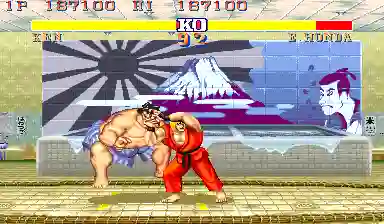
Street Fighter II' - Champion Edition (street fighter 2' 920513 etc)
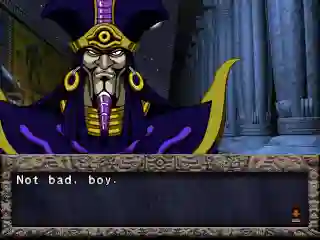
Yu-Gi-Oh! - Forbidden Memories
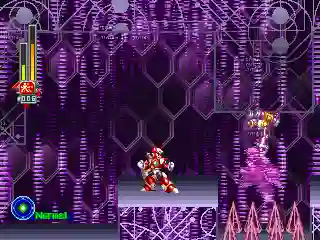
Mega Man X5
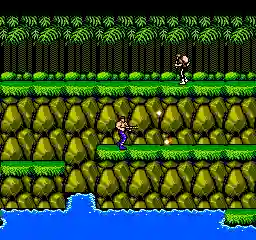
Contra (USA)
EarthBound (USA)
Sonic the Hedgehog 2 (World) (Rev A)
Sonic Classic Heroes (2022 Update!) (v0.15.03d8)
Dragon Ball Z - Supersonic Warriors (E)(Rising Sun)
Donkey Kong Country (USA)
Bloody Roar 2: Bringer of New Age
Neo Bomberman
Kirby And The Amazing Mirror (E)(Rising Sun)
Sonic 3 Complete
Top Gear (USA)
Parappa the Rapper
Metal Slug X (USA)
Sonic Classic Heroes
Crash Bandicoot - Warped
Donkey Kong (US set 1)
Pokemon Radical Red v4.0
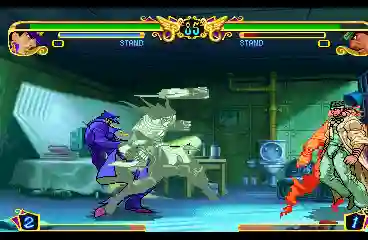
Jojo's Bizarre Adventure
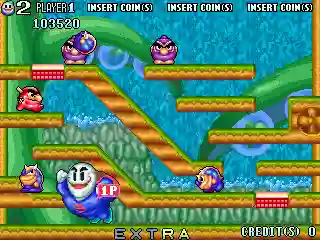
Snow Bros. 2 - with new elves
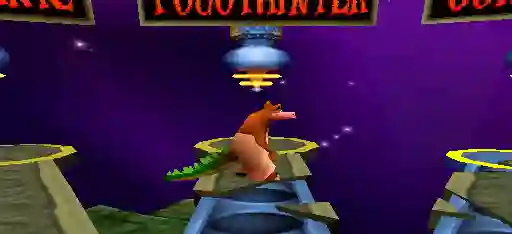
Crash Bash
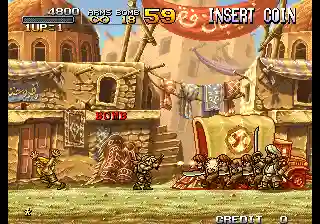
Metal Slug 2 - Super Vehicle-001/II (NGM-2410) (NGH-2410)
Pac-Man (Midway)
Pokemon Unbound v2.1.0
Kirby Super Star Ultra (USA)
Resident Evil 3: Nemesis (U)
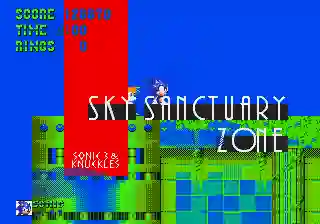
Cooler Sonic in Sonic 3 & Knuckles
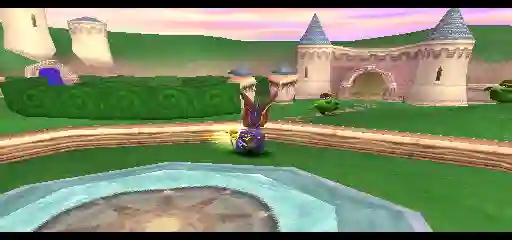
Spyro the Dragon
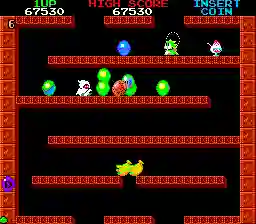
Bubble Bobble
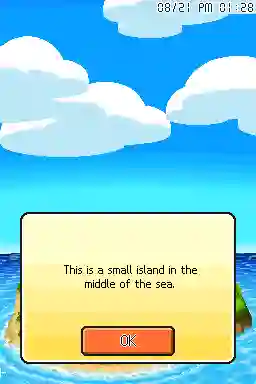
Tomodachi Collection (English)
Harvest Moon - Back to Nature
Super Metroid (Japan, USA) (En,Ja)
Super Bomberman 4 (English - Translated)
Sonic the Hedgehog 3 (Europe)
Super Mario Bros. 2 (Japan) (En) (Game & Watch - Super Mario Bros.)
This platform game focuses on tight traversal, collectibles, and recovery after mistakes. Review the platform, tags, and practical play notes before starting in your browser.
- Added
- 2026-04-30
- Platform
- FDS