Loading game...
Kaettekita Mario Bros. (Japan) (Disk Writer)(64 KB)
Super Mario Bros. (Japan)
Super Mario Bros. 2 (Japan) (En)
All Night Nippon Super Mario Bros. (Japan) (Promo)
Super Mario Bros. 2 (Japan) (En) (Game & Watch - Super Mario Bros.)
Ice Climber (Japan) (Disk Writer)
Super Mario Bros. 2 (Japan) (En) (DV 2)

Donkey Kong Jr. (Japan) (Disk Writer)
Super Mario Bros. 2 (World) (GameCube, Wii and Wii U Virtual Console)
Yume Koujou - Doki Doki Panic (Japan) (DV 1)
Akumajou Dracula (Japan) (Rev 1)
Kamen Rider Black - Taiketsu Shadow Moon (Japan)
Zanac (Japan)
Armana no Kiseki (Japan)
Cleopatra no Mahou (Japan)
Sexy Yakyuuken Adventure II - Gal's Dungeon Part II (Japan) (Unl)
Famicom Grand Prix - F1 Race (Japan)
Tekken 3
Castlevania - Symphony Of The Night
Sonic & Knuckles + Sonic the Hedgehog 3 (World)
Kirby Super Star (USA)
Cadillacs & Dinosaurs (930201 etc)
![Street Fighter II' - Champion Edition (YYC bootleg set 2, 920313 etc) [Bootleg]](https://res.classicgames.app/game-thumbnail/street-fighter-ii-champion-edition-yyc-bootleg-set-2-920313-etc-bootleg-thumbnail.webp)
Street Fighter II' - Champion Edition (YYC bootleg set 2, 920313 etc) [Bootleg]
Super Smash Bros. (USA)
Mega Man X4
Silent Hill
Crash Bandicoot 2 - Cortex Strikes Back
Penguin Brothers (Japan)
Street Fighter II' - Champion Edition (street fighter 2' 920513 etc)
Yu-Gi-Oh! - Forbidden Memories
Mega Man X5
Contra (USA)
EarthBound (USA)
Sonic the Hedgehog 2 (World) (Rev A)
Sonic Classic Heroes (2022 Update!) (v0.15.03d8)
Dragon Ball Z - Supersonic Warriors (E)(Rising Sun)
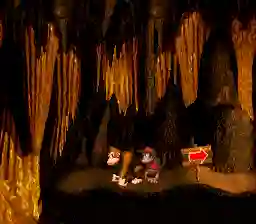
Donkey Kong Country (USA)
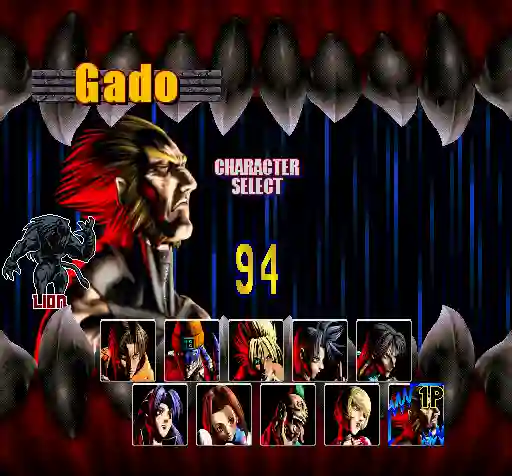
Bloody Roar 2: Bringer of New Age
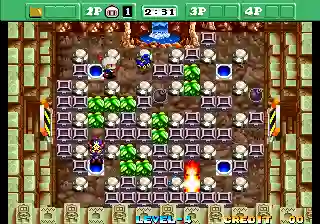
Neo Bomberman
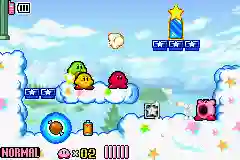
Kirby And The Amazing Mirror (E)(Rising Sun)
Sonic 3 Complete
Top Gear (USA)
Parappa the Rapper
Metal Slug X (USA)
Sonic Classic Heroes
Crash Bandicoot - Warped
Donkey Kong (US set 1)
Pokemon Radical Red v4.0
Jojo's Bizarre Adventure
Snow Bros. 2 - with new elves
Crash Bash
Metal Slug 2 - Super Vehicle-001/II (NGM-2410) (NGH-2410)
Pac-Man (Midway)
Pokemon Unbound v2.1.0
Kirby Super Star Ultra (USA)
Resident Evil 3: Nemesis (U)
Cooler Sonic in Sonic 3 & Knuckles
Spyro the Dragon
Bubble Bobble
Tomodachi Collection (English)
Harvest Moon - Back to Nature
Super Metroid (Japan, USA) (En,Ja)
Super Bomberman 4 (English - Translated)
Sonic the Hedgehog 3 (Europe)
Kaettekita Mario Bros. (Japan) (Disk Writer)
This FDS platform game focuses on stage hazards, enemy placement, and momentum control. Review tags, version context, and practical play notes before starting in your browser.
- Published
- 1986
- Added
- 2026-04-30
- Platform
- FDS